میلگرد بستر و مصارف آن
میلگرد بستر چیست و چرا به یکی از الزامات اجرایی ساختمانهای استاندارد تبدیل شده است؟ در این مقاله تخصصی، به بررسی فنی کاربردها، مزایا، الزامات اجرایی و نقش تولید صنعتی میلگرد بستر در افزایش ایمنی دیوارهای غیرسازهای میپردازیم و راهکارهای بهینهسازی تولید برای کارگاهها و کارخانهها را تحلیل میکنیم. اگر به دنبال شناخت دقیق این محصول، استانداردهای مرتبط و انتخاب تجهیزات مناسب برای تولید یا تأمین میلگرد بستر هستید، این راهنمای جامع دید مهندسی و کاربردی در اختیار شما قرار میدهد. نویسنده: جواد رستمی
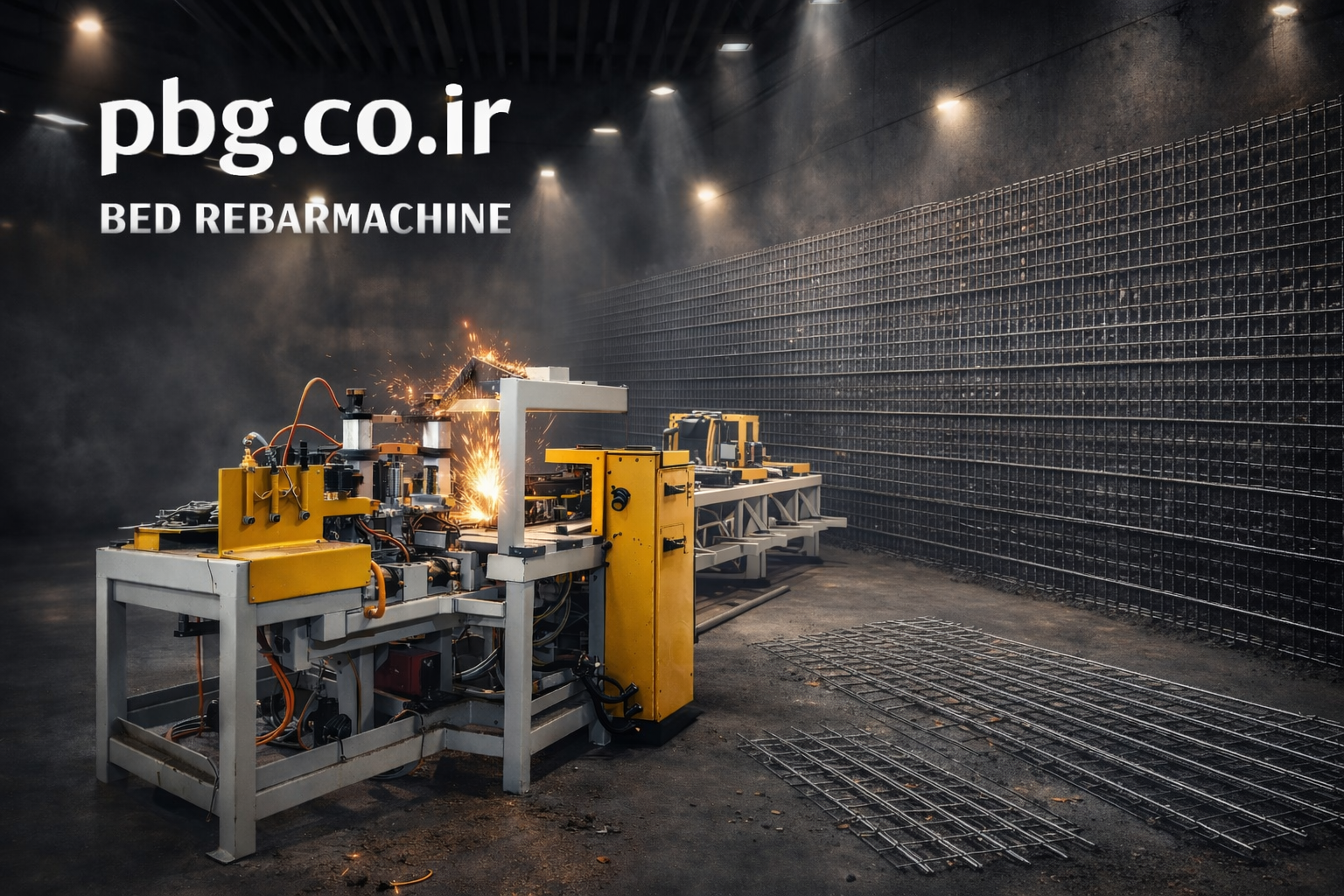
میلگرد بستر و مصارف آن؛ راهکار مهندسی برای افزایش استحکام دیوارهای بنایی و کاهش ترکهای سازهای
مقدمه
یکی از چالشهای تکرارشونده در پروژههای ساختمانی، ایجاد ترکهای افقی و مورب در دیوارهای بنایی است؛ ترکهایی که در بسیاری از موارد نه به دلیل ضعف مصالح اصلی، بلکه به علت نبود سیستم تقویتکننده مناسب در لایههای ملات ایجاد میشوند. این مسئله در ساختمانهای اسکلت فلزی و بتنی که دیوارهای پیرامونی نقش باربر ندارند اما تحت اثرات جانبی مانند زلزله، نشست یا تغییرات دمایی قرار میگیرند، نمود بیشتری دارد.
در چنین شرایطی، استفاده از میلگرد بستر به عنوان یک راهکار صنعتی و استاندارد، نقش کلیدی در افزایش یکپارچگی دیوار، کنترل ترک و بهبود عملکرد لرزهای ایفا میکند. با این حال، انتخاب نوع مناسب میلگرد بستر و همچنین روش تولید آن، تأثیر مستقیمی بر کیفیت نهایی پروژه دارد. در این مقاله، ضمن بررسی مصارف میلگرد بستر، به تحلیل رویکرد صنعتی تولید آن و معرفی راهکار تخصصی مجموعه ماشینسازی دانشبنیان پارس بافت گلستان خواهیم پرداخت.
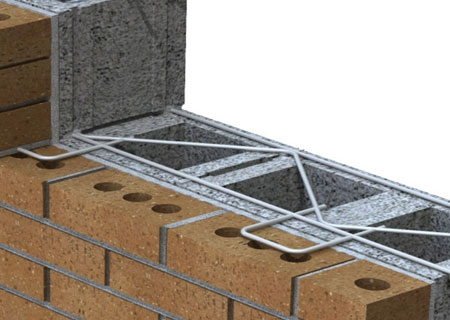
بررسی مشکل اصلی در صنعت ساختمان؛ ترکخوردگی و ضعف عملکرد دیوارهای بنایی
دیوارهای بنایی بهصورت سنتی از آجر، بلوک سیمانی یا سفالی تشکیل شدهاند و به وسیله ملات به یکدیگر متصل میشوند. این ساختار در برابر نیروهای فشاری عملکرد قابل قبولی دارد، اما در برابر نیروهای کششی و برشی، آسیبپذیر است.
دلایل فنی بروز این مشکل عبارتاند از:
-
عدم وجود تقویتکننده افقی در رجهای دیوار
-
نشستهای موضعی فونداسیون
-
انبساط و انقباض حرارتی
-
نیروهای جانبی ناشی از زلزله یا باد
-
اختلاف سختی بین اسکلت و دیوار پرکننده
در پروژههای بزرگ، ترکهای دیوار علاوه بر هزینههای تعمیر، موجب کاهش اعتبار پیمانکار و نارضایتی کارفرما میشود. از سوی دیگر، در کارخانههای تولیدی مصالح بنایی نیز تقاضا برای محصولات تقویتشده و مطابق با ضوابط آییننامهای رو به افزایش است. بنابراین نیاز به یک راهکار استاندارد و صنعتی کاملاً محسوس است.
روشهای سنتی تقویت دیوار و معایب آنها
پیش از رواج میلگرد بستر، برخی روشهای سنتی برای تقویت دیوارها استفاده میشد که شامل موارد زیر بود:
-
کارگذاری میلگرد ساده در شیارهای ایجادشده در بلوک
-
استفاده از تسمههای فلزی بدون اتصال منظم
-
افزایش ضخامت ملات به منظور جبران ضعف کششی
این روشها دارای محدودیتهای جدی بودند:
-
عدم یکنواختی در اجرا
-
وابستگی شدید به مهارت نیروی کار
-
افزایش پرت مصالح
-
هزینههای پنهان ناشی از دوبارهکاری
-
نبود کنترل کیفی در تولید انبوه
علاوه بر این، بسیاری از این روشها با الزامات آییننامهای جدید همخوانی نداشتند و در پروژههای نظارتشده توسط مهندسین مشاور، قابل تأیید نبودند. این موضوع، زمینه را برای جایگزینی یک راهکار صنعتی استاندارد فراهم کرد.
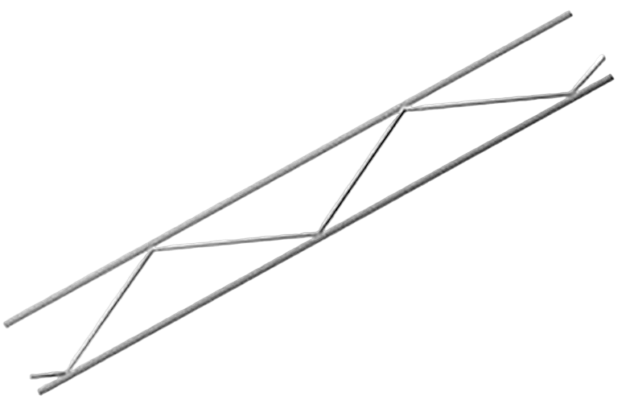
راهحل صنعتی و استاندارد؛ استفاده از میلگرد بستر مطابق ضوابط فنی
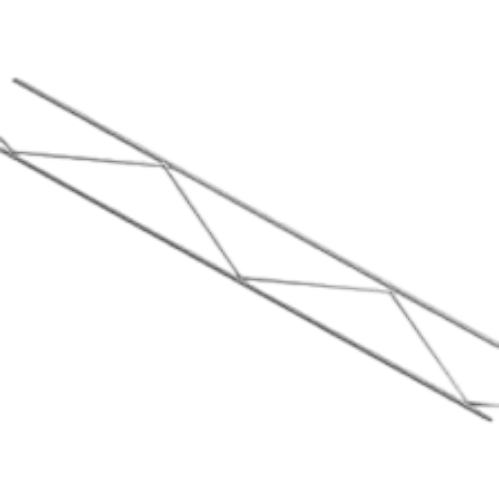
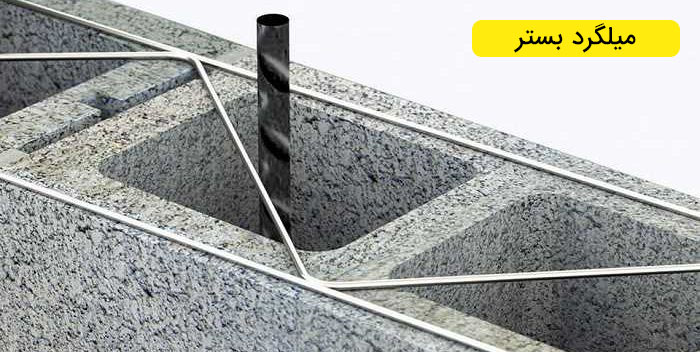
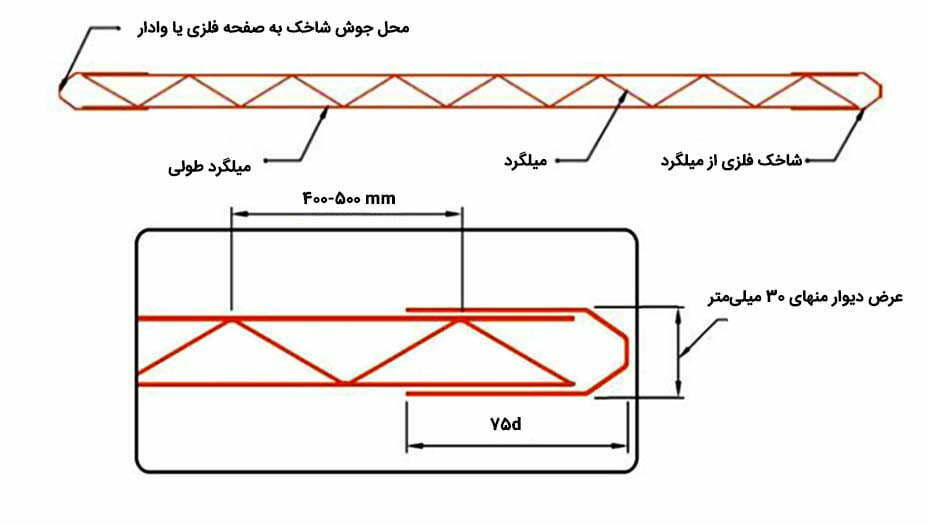
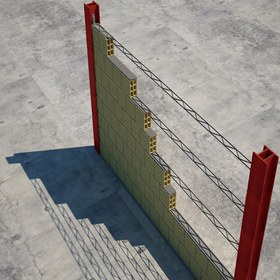
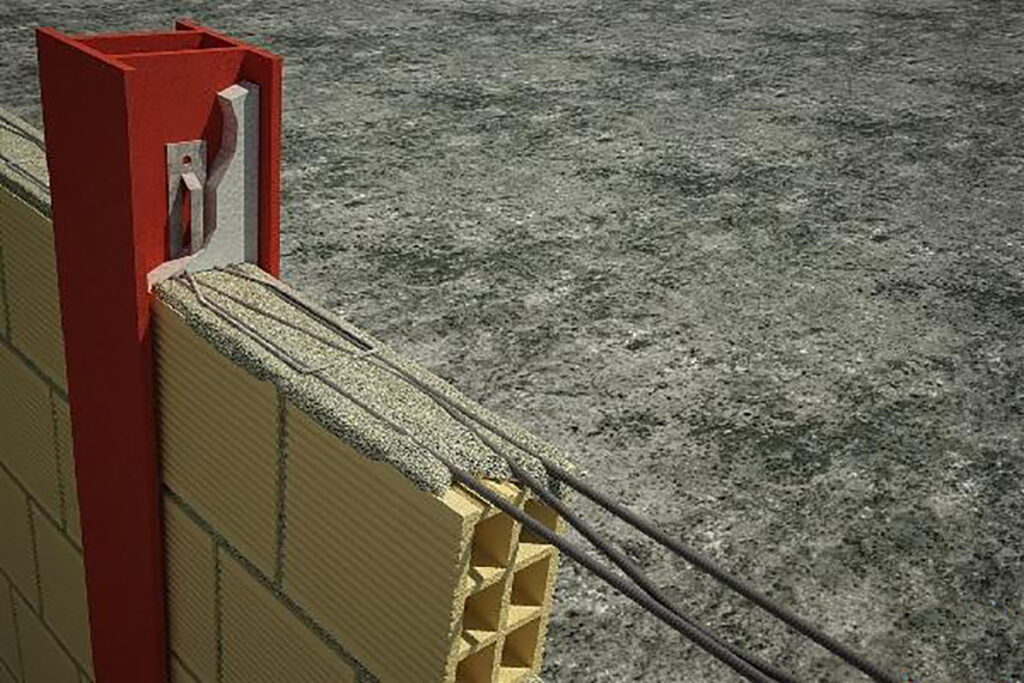
میلگرد بستر، یک عضو تقویتی پیشساخته متشکل از دو مفتول طولی موازی است که به وسیله مفتولهای عرضی زیگزاگ یا نردبانی به یکدیگر متصل میشوند. این محصول در رجهای ملات دیوار قرار گرفته و مقاومت کششی و برشی دیوار را بهطور قابل توجهی افزایش میدهد.
مزایای استفاده از میلگرد بستر عبارتاند از:
-
توزیع یکنواخت تنش در طول دیوار
-
کنترل ترکهای افقی و مورب
-
افزایش عملکرد لرزهای
-
جلوگیری از جداشدگی دیوار از قاب
-
سهولت و سرعت اجرا
در انتخاب میلگرد بستر استاندارد باید به موارد زیر توجه شود:
-
قطر مفتولهای طولی
-
نوع جوش یا اتصال عرضی
-
پوشش گالوانیزه یا ضدزنگ
-
تطابق با ضخامت دیوار
-
یکنواختی و دقت تولید
در اینجا، کیفیت فرآیند تولید اهمیت دوچندان پیدا میکند؛ زیرا کوچکترین انحراف در فاصله مفتولها یا ضعف در جوش، میتواند عملکرد سازهای را تحت تأثیر قرار دهد.
معرفی راهکار صنعتی پارس بافت گلستان برای تولید میلگرد بستر
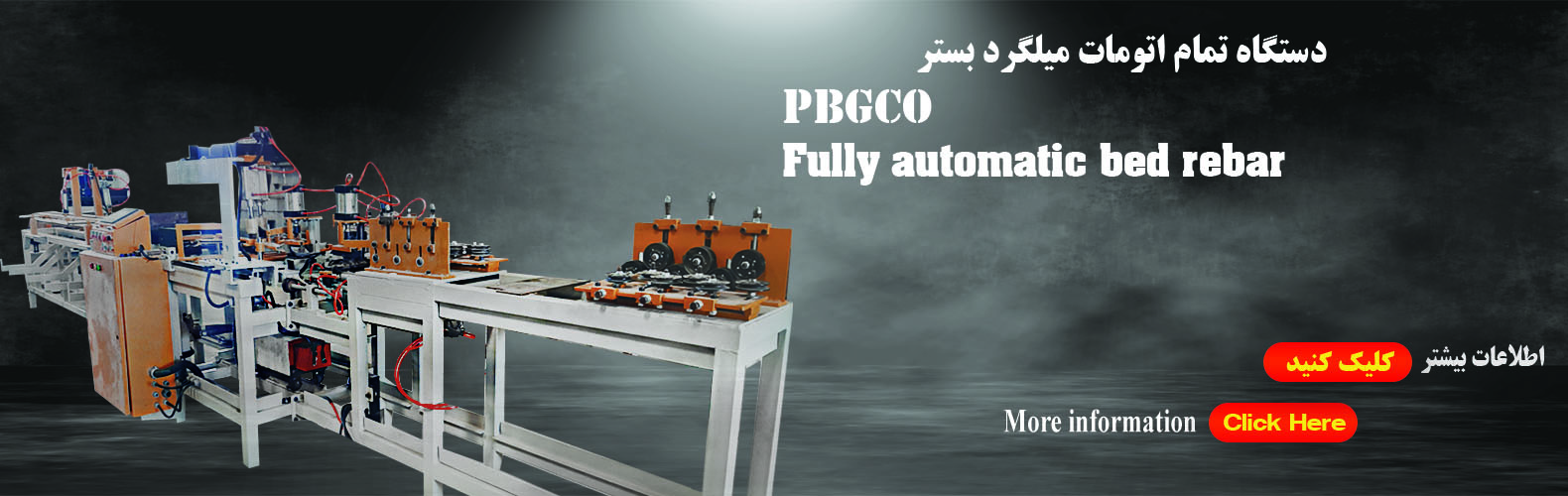
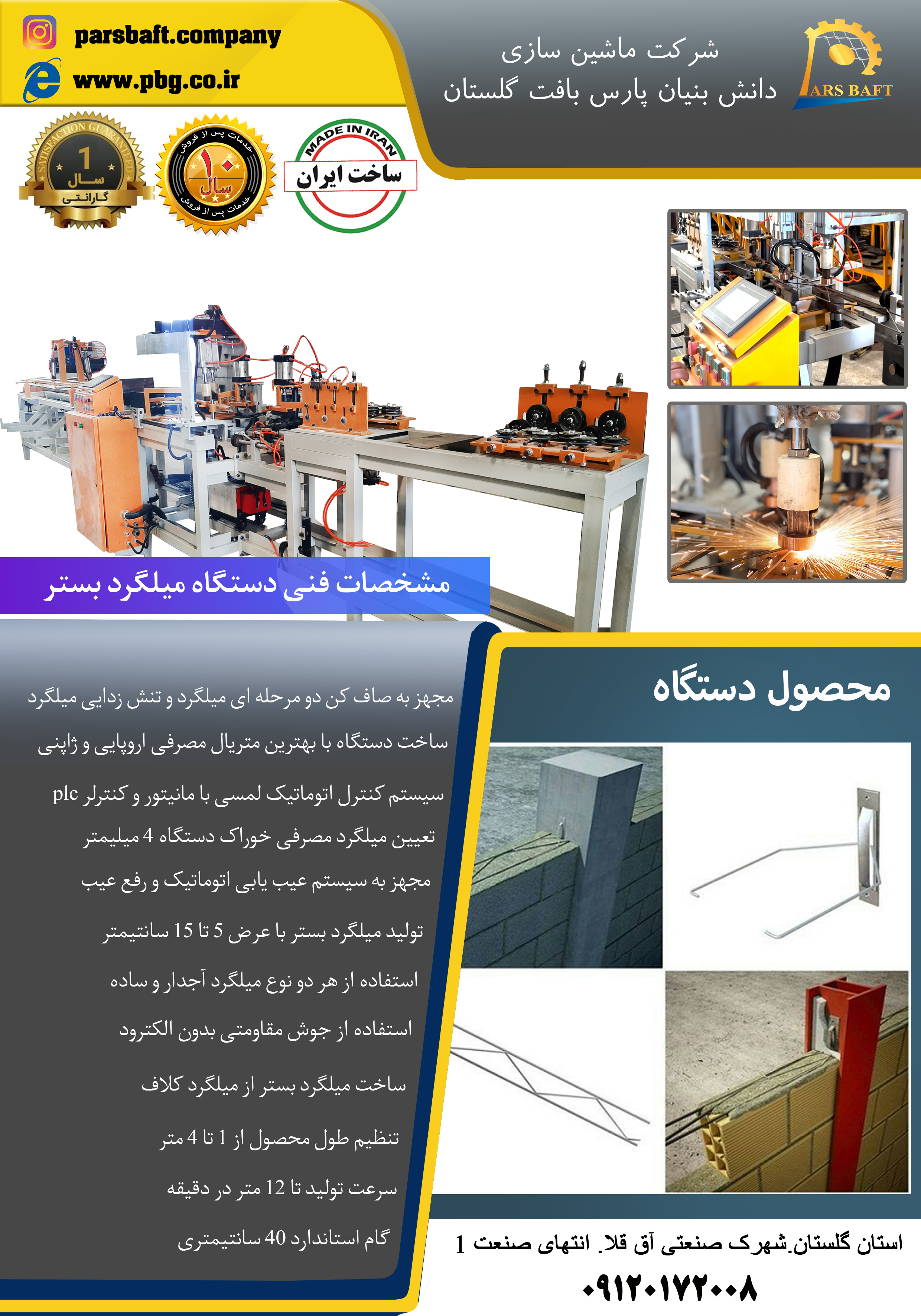
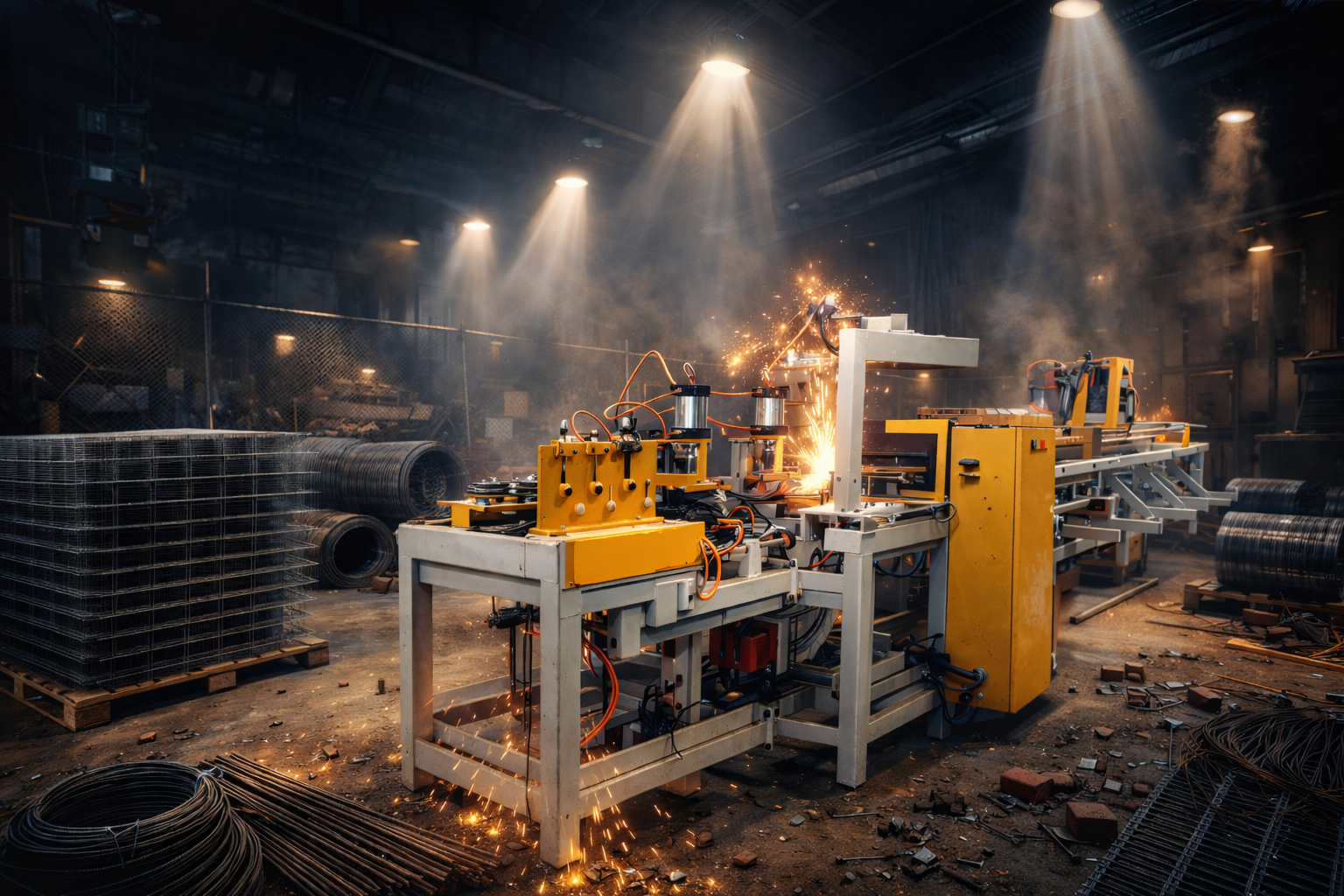
مجموعه ماشینسازی دانشبنیان پارس بافت گلستان با طراحی و ساخت دستگاه تمام اتوماتیک تولید میلگرد بستر، امکان تولید صنعتی، یکنواخت و مطابق استاندارد این محصول را فراهم کرده است.
این دستگاه با بهرهگیری از سیستمهای دقیق هدایت مفتول، جوشکاری منظم و کنترل اتوماتیک، نقش کلیدی در حل چالشهای تولیدکنندگان ایفا میکند. مزیت اصلی این خط تولید، حذف وابستگی به روشهای دستی و افزایش ثبات کیفی در تیراژ بالا است.
نقش دستگاه در حل مشکلات بازار:
-
تولید میلگرد بستر با دقت ابعادی ثابت
-
کاهش پرت مفتول
-
افزایش سرعت تولید نسبت به روش نیمهدستی
-
کاهش هزینه نیروی انسانی
-
قابلیت تولید در سایزهای متنوع متناسب با سفارش پروژهها
برای مشاهده جزئیات فنی این خط تولید میتوان در ساختار سایت، لینک داخلی به صفحه محصول دستگاه تولید میلگرد بستر در pbg.co.ir قرار داد تا کاربر صنعتی بهصورت مستقیم به اطلاعات تخصصی دسترسی داشته باشد. این لینکدهی هدفمند علاوه بر افزایش زمان ماندگاری کاربر، به بهبود ساختار ایندکس نیز کمک میکند.
مشخصات فنی مهم میلگرد بستر و عوامل مؤثر در انتخاب آن
در انتخاب میلگرد بستر برای پروژه یا در راهاندازی خط تولید، توجه به پارامترهای فنی زیر ضروری است:
ظرفیت تولید
در کارخانههای متوسط، ظرفیت تولید روزانه بین چند صد تا چند هزار متر متغیر است. دستگاههای اتوماتیک امکان برنامهریزی دقیق تیراژ را فراهم میکنند.
قطر مفتول
معمولاً از مفتولهای 4 تا 6 میلیمتر استفاده میشود. انتخاب قطر مناسب به نوع دیوار و الزامات مهندسی پروژه بستگی دارد.
کیفیت جوش
اتصال عرضی باید یکنواخت، بدون سوختگی بیش از حد یا ضعف اتصال باشد. سیستم جوش اتوماتیک در خطوط صنعتی، این یکنواختی را تضمین میکند.
پوشش سطحی
در مناطق با رطوبت بالا یا پروژههای خاص، استفاده از مفتول گالوانیزه توصیه میشود.
دقت فاصلهگذاری
فاصله استاندارد بین مفتولهای عرضی باید کاملاً یکنواخت باشد تا عملکرد سازهای حفظ شود.
نکات مهم قبل از خرید خط تولید یا راهاندازی کارگاه
مدیران کارگاه و سرمایهگذاران پیش از خرید دستگاه تولید میلگرد بستر باید موارد زیر را بررسی کنند:
فضای مورد نیاز
ابعاد خط تولید و مسیر ورود و خروج محصول باید با فضای کارگاه تطابق داشته باشد.
تأمین برق و انرژی
بررسی توان مصرفی دستگاه و سازگاری آن با زیرساخت برق صنعتی اهمیت دارد.
نیروی انسانی
سیستمهای تمام اتوماتیک نیاز به اپراتور متخصص کمتری دارند، اما آموزش اولیه ضروری است.
خدمات پس از فروش
پشتیبانی فنی، تأمین قطعات یدکی و آموزش اپراتور از عوامل کلیدی در حفظ بهرهوری خط تولید هستند.
در شرایط فعلی ناپایداری اینترنت و حساسیت الگوریتمهای گوگل نسبت به کیفیت محتوا، ارائه اطلاعات دقیق، شفاف و فنی در صفحه محصول میتواند به افزایش اعتماد کاربران و بازگشت رتبههای از دست رفته کمک کند. تولید محتوای عمیق و کاربردی، بهویژه در حوزههای صنعتی، سیگنال مثبتی برای ایندکس پایدار ارسال میکند.
مصارف میلگرد بستر در پروژههای ساختمانی
کاربردهای اصلی میلگرد بستر عبارتاند از:
-
دیوارهای پیرامونی ساختمانهای اسکلت فلزی
-
دیوارهای بلوکی در ساختمانهای بتنی
-
دیوارهای حائل سبک
-
پروژههای صنعتی با دهانههای بزرگ
-
ساختمانهای واقع در مناطق با خطر لرزهای بالا
در پروژههای مسکن انبوه، استفاده منظم از میلگرد بستر میتواند هزینههای تعمیرات آتی را بهشدت کاهش دهد و دوام سازه را افزایش دهد. از این رو، تقاضا برای تولید صنعتی این محصول رو به رشد است.
جمعبندی و نتیجهگیری
میلگرد بستر یک راهکار مهندسی و استاندارد برای افزایش استحکام دیوارهای بنایی و کنترل ترکهای سازهای است. استفاده از این محصول نهتنها موجب بهبود عملکرد لرزهای میشود، بلکه از منظر اقتصادی نیز در بلندمدت مقرونبهصرفه است.
برای تولیدکنندگان صنعتی، کیفیت و یکنواختی میلگرد بستر وابسته به تجهیزات تولید است. بهرهگیری از دستگاههای تمام اتوماتیک، مانند خطوط تولید طراحیشده توسط مجموعه ماشینسازی دانشبنیان پارس بافت گلستان، امکان تولید استاندارد، افزایش ظرفیت و کاهش هزینههای عملیاتی را فراهم میکند.
در صورتی که به دنبال بررسی دقیقتر مشخصات فنی خط تولید میلگرد بستر و ظرفیتهای سفارشیسازی آن هستید، پیشنهاد میشود صفحه محصول مرتبط در وبسایت رسمی مجموعه را مطالعه کرده و شرایط فنی کارگاه خود را با کارشناسان فنی مجموعه تطبیق دهید. این رویکرد، تصمیمگیری آگاهانهتر و بازگشت سریعتر سرمایه را به همراه خواهد داشت.
صنایع مفتولی، امروز یکی از جذابترین و سودآورترین شاخههای صنعتی کشور است
اگر قصد راهاندازی خط تولید دارید،
یا به دنبال ارتقاء ظرفیت تولید هستید،
انتخاب صحیح دستگاه، مهمترین قدم است.
پارس بافت گلستان، کاملترین تولیدکننده دستگاههای صنایع مفتولی در ایران
با تجهیزات ثبت اختراع شده
و پشتیبانی دائمی،
در کنار شماست.
📞 تماس جهت مشاوره و استعلام قیمت
استان گلستان، شهرک صنعتی آققلا، انتهای صنعت ۱
📞 شماره تماس مستقیم:
⭐ راهاندازی خط تولید از صفر تا صد