French lace and its production
How is French lace produced industrially and in a standard manner, and what factors play a role in its quality, durability, and productivity? In this specialized article, the French lace production process, common challenges of traditional lines, criteria for selecting the right machine, and a complete introduction to the French lace production machine of Pars Baft Golestan are examined in terms of engineering and application. A comprehensive guide for factory managers and industrial activists who are looking to increase capacity, reduce waste, and stabilize product quality. Author: Engineer Javad Rostami

French lace and its production; an industrial solution to increase quality, reduce waste, and stabilize the sales market
Introduction
In recent years, the French netting market has faced significant fluctuations in quality, price and delivery time. Many construction project contractors, agricultural units and fencing operators complain about the lack of uniformity of springs, premature rusting and reduced strength of the nets supplied. The root of this problem in many cases is due to unengineered production processes, worn-out equipment or lack of precise control of technical parameters.
In such circumstances, industrial and standardized production of French lace is not only a competitive advantage, but also a prerequisite for survival in the B2B market. The use of specialized and automatic French lace production machines can stabilize quality, reduce waste, and restore the trust of industrial customers. In this article, we will thoroughly examine French lace, the challenges of its production, and introduce the engineering solution provided by the Pars Baft Golestan Knowledge-Based Machinery Complex.
Examining the main problems and needs in the French lace production industry
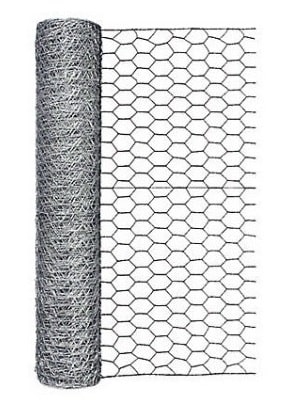
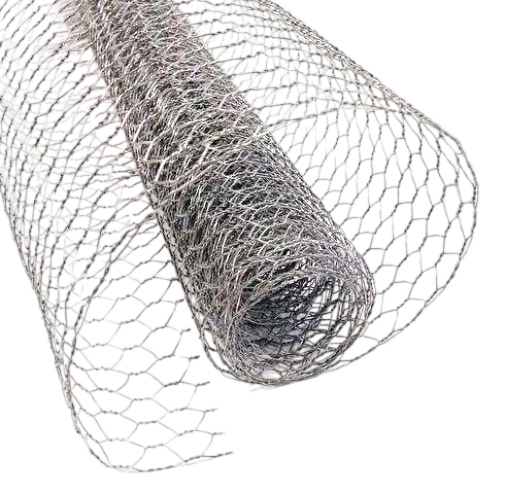
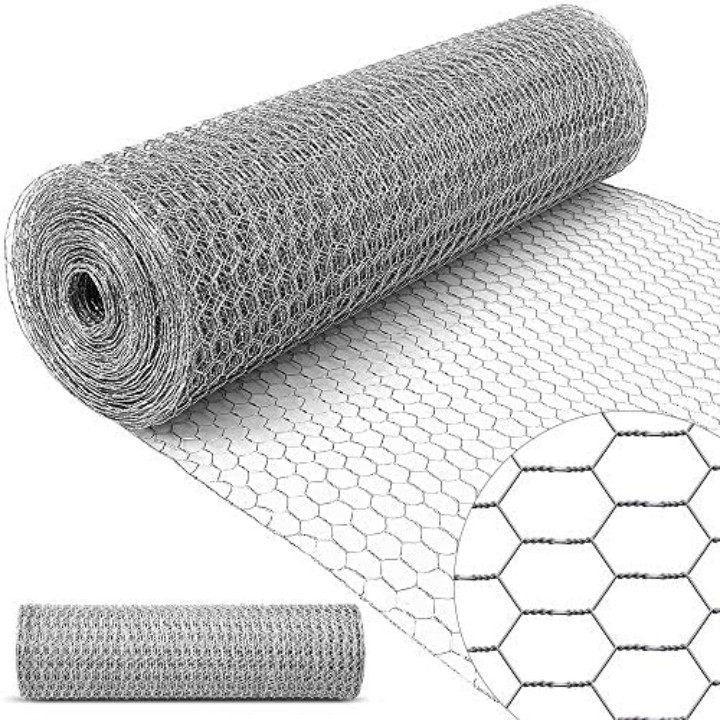
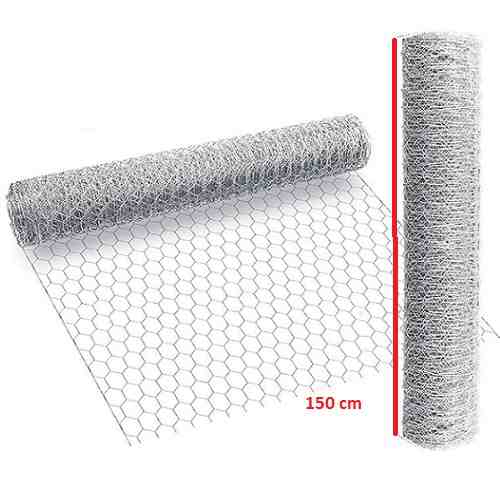
French wire mesh, also known as chicken wire or hexagonal wire mesh, is used in a variety of projects including fencing, poultry housing, insulation, covering light structures, and reinforcing building linings. The main feature of this product is its regular hexagonal weave and flexibility along with good tensile strength.
However, manufacturers face the following challenges:
-
Inconsistency in the dimensions of the springs
-
Reduced galvanizing quality and premature corrosion
-
Wire breakage in the weaving process
-
Slow production speed on older machines
-
Dependence of quality on operator skill
Technically, the most important causes of these problems are the lack of a precise wire tension control system, incorrect adjustment of the twist angle, and lack of coordination between the feeding unit and the fabric. In non-automatic production lines, any change in wire diameter or raw material quality can cause a change in the final shape of the net.
In today's industrial market, major customers are looking for a supplier that can provide a product with consistent technical specifications, on-time delivery, and high production capacity. Therefore, the main need of the industry is to move towards mechanized and controllable production.
Traditional or non-industrial methods and their disadvantages
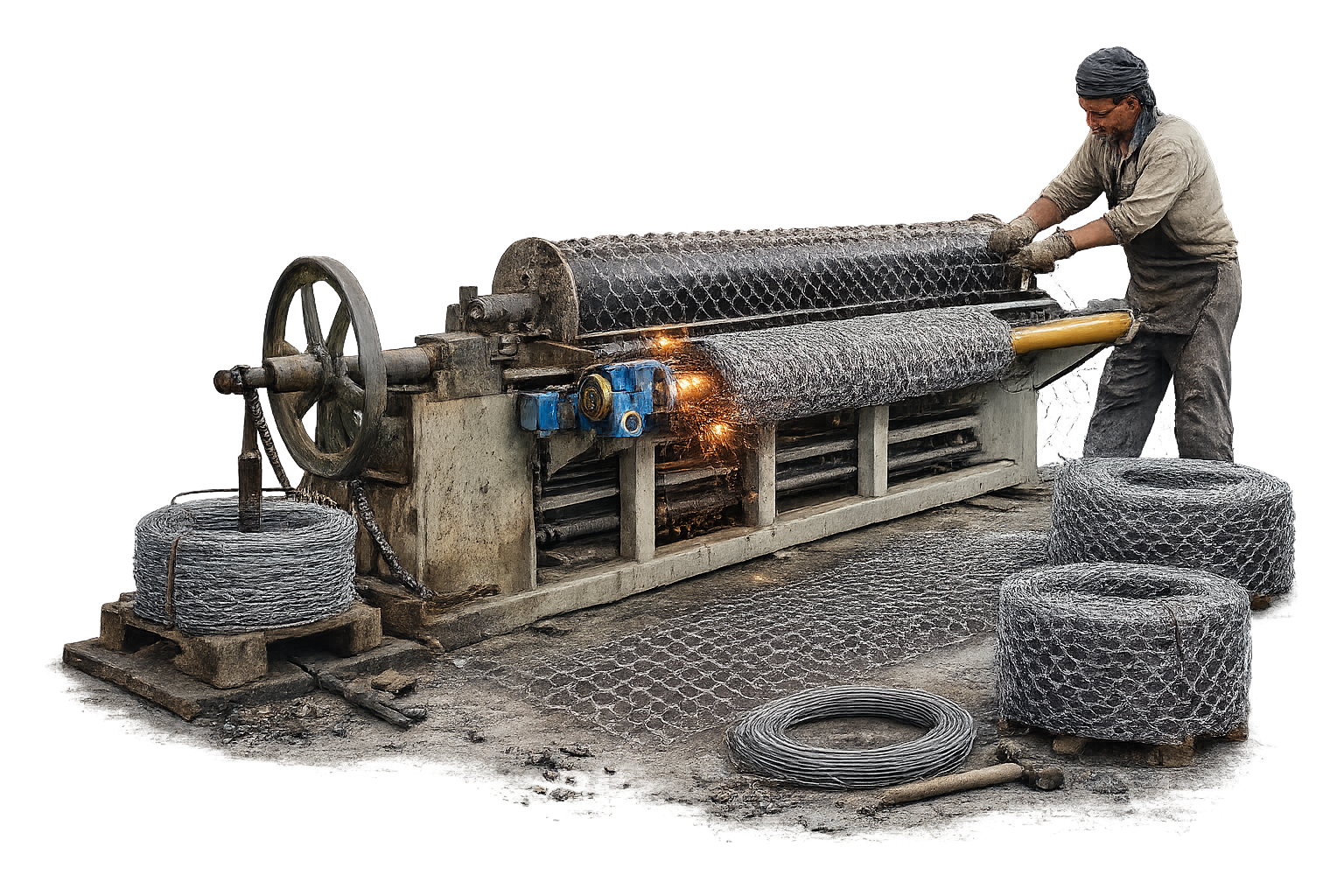
In some workshops, the production of French lace is still carried out with old mechanical machines or semi-manual systems. Although these methods have a lower initial cost on the surface, they face serious limitations in practice.
Limitations:
-
Manual spring and torsion adjustment
-
Frequent stops to adjust the machine
-
Limited production capacity
-
Inability to continuously produce in high volumes
Hidden costs:
-
Increased wire consumption due to error
-
Lesions caused by torn or incomplete tissue
-
Frequent repair costs
-
Product returns from industrial customers
Loss of quality and productivity:
In traditional production, the uniformity of the springs along the length of the roll is not guaranteed. Also, the wire tension is not controlled accurately and this can lead to deformation of the mesh during installation. The end result is reduced customer satisfaction and loss of major contracts.
Industrial and standard solution in the production of French lace
The fundamental solution for sustainable and competitive production of French netting is to use automated machines with engineered designs. In a standard production line, all steps including wire feeding, tension control, hexagonal weaving, cutting and rolling must be carried out in a coordinated and controlled manner.
The criteria for selecting appropriate equipment include:
-
Precise traction control system
-
Ability to adjust fountain size
-
Possibility of working with galvanized wire in different diameters
-
Performance stability during long shifts
-
Access to technical services and spare parts
A device that has these features can upgrade the production of chicken wire and French wire from a workshop level to an industrial level and enable the signing of larger contracts.
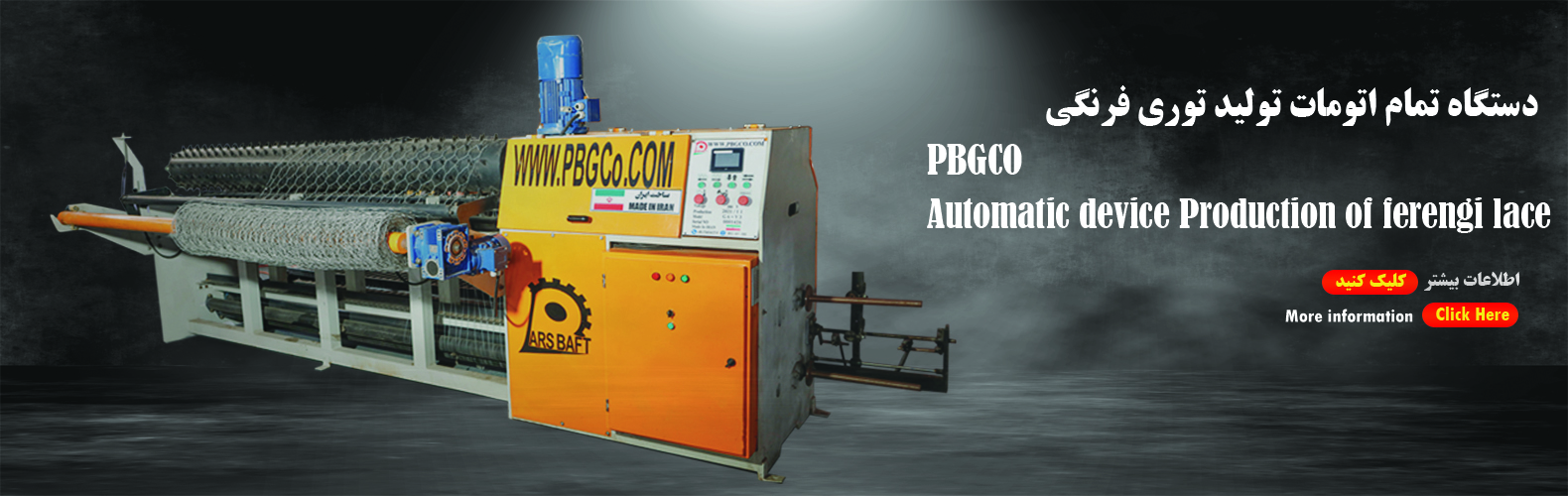
Introducing the French lace production machine of Pars Baft Golestan
Pars Baft Golestan Knowledge-Based Machinery Complex, focusing on the design and manufacture of specialized machinery in the field of wire and netting, has developed an automatic French netting production machine with the aim of responding to the real needs of the industry.
This machine, with its robust industrial structure and precise control system, enables the uniform production of French netting in various dimensions and springs.
The role of the device in solving industry problems:
-
Stabilizing the quality of springs throughout the entire length of the roll
-
Reducing wire waste
-
Increased production speed compared to traditional methods
-
Reducing dependence on individual operator skill
-
Continuous production in high volume
Competitive advantages:
-
Automatic and semi-automatic design based on customer needs
-
Precise control of wire tension to prevent breakage
-
Adjustable to produce various fountain sizes
-
Optimal energy consumption
-
Technical support and after-sales service by a specialized team
You can also provide internal links to related articles such as "wire drawing machine" or "screen mesh production line" to strengthen the site's thematic structure.
Important technical specifications and factors affecting device selection
The selection of a French net production machine should be based on an analysis of the production capacity and the factory development plan. The most important factors are:
Production capacity:
The capacity of the machine should be determined according to the needs of the target market. For industrial production, continuous and stable production capacity is of great importance.
Energy consumption
The power transmission system and motors used must have appropriate efficiency to control production costs in the long term.
The accuracy and quality of the output
control, spring uniformity, torsion quality, and strength of connection points are key indicators for evaluating the quality of the device.
Customization Capability
: Some projects require the production of mesh with a specific width, wire diameter, or spring. The machine must be able to adjust and adapt to these needs.
Also, the quality of the body construction, the type of control system, ease of maintenance, and availability of spare parts are determining factors in the final choice.
Important points before purchasing and setting up
Before purchasing a French lace production machine, it is essential to check the following conditions:
The space required for
the dimensions of the machine, the location of the wire rolls, and the product storage space must be included in the design of the production hall.
Human Resources:
The number of operators required is determined by the level of automation of the machine. Proper training of human resources plays an important role in maintaining quality and increasing the life of the machine.
After-sales service:
Technical support, spare parts supply, and the ability to receive expert advice in the event of a problem are critical factors in choosing a manufacturer. Cooperating with a company that offers structured after-sales service reduces the risk of production line downtime.
Summary and conclusion
As one of the most widely used products in the construction and agricultural industries, French netting requires uniform, durable, and standardized production. Traditional methods no longer meet the needs of today's industrial market, and continuing to operate with outdated equipment can lead to increased costs and reduced market share.
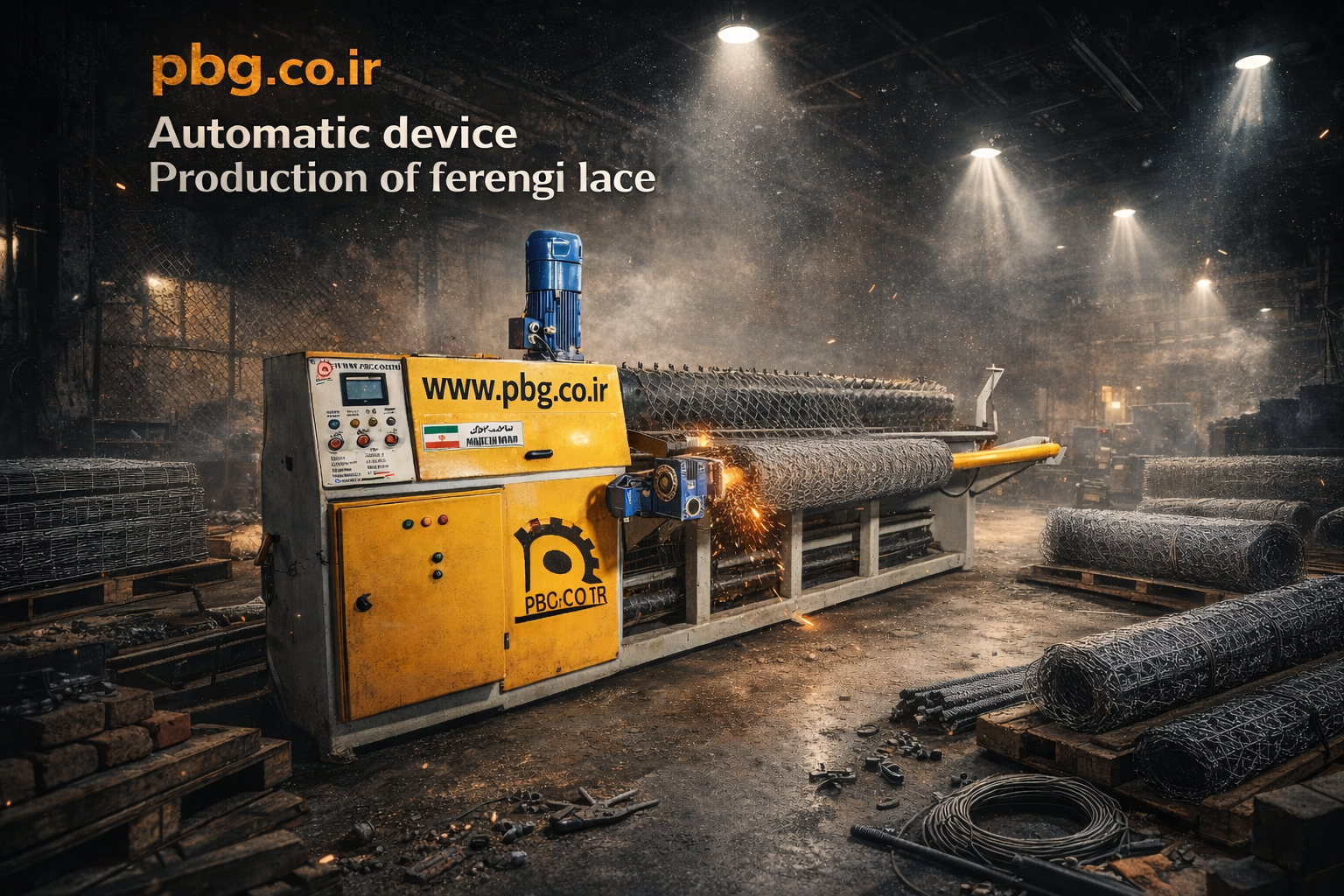
Using an automatic French lace production machine designed by Pars Baft Golestan Knowledge-Based Machinery Complex allows for increased capacity, reduced waste, and stabilized quality. This not only improves the productivity of the production line, but also strengthens the trust of industrial customers.
To review the complete specifications of the machine, receive technical advice, and evaluate investment conditions, it is recommended to read the relevant product page on the official website of Pars Baft Golestan at pbg.co.ir. This action can be an effective step in the sustainable development of the production line and increasing the competitiveness of your industrial unit.
The wire industry is one of the most attractive and profitable industrial sectors in the country today.
If you are planning to launch a production line
or are looking to upgrade your production capacity,
choosing the right machine is the most important step.
Pars Baft Golestan, the most complete manufacturer of wire industry machines in Iran
with patented equipment
and permanent support,
It is by your side.
📞 Call for consultation and price inquiry
Golestan Province, Aqqala Industrial Park, End of Industry 1
📞 Direct contact number:
⭐ Setting up a production line from zero to one hundred