Lace press machine
Producing press lace with consistent quality and industrial capacity requires an engineered and reliable solution. In this article, the challenges of traditional production and the role of fully automatic press lace machine in increasing the productivity, accuracy and profitability of industrial units are examined. Author: Engineer Javad Rostami
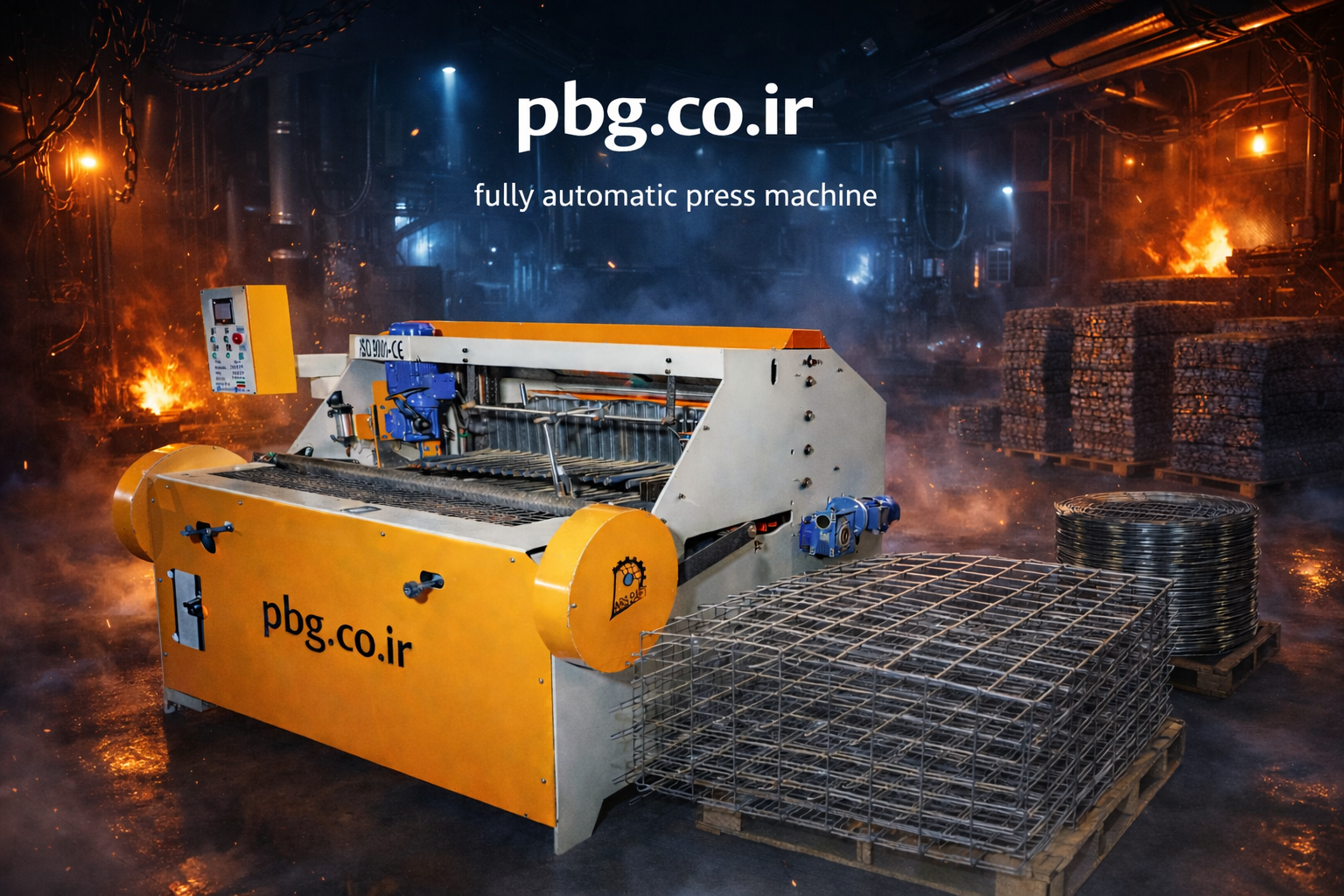
Press mesh machine; an industrial solution to increase accuracy, productivity, and standardization of metal mesh production
Introduction
In many manufacturing units and industrial workshops operating in the field of metals and related industries, metal mesh production faces challenges such as quality fluctuations, dependence on human resources, slow production speed, and inconsistent output. These problems, in a situation where the market has moved towards more precise, project-oriented, and standard-based orders, can directly lead to the loss of industrial customers and reduced profitability.
The press screen, as an industrial and mechanized solution, is an engineered response to this need; a solution that not only stabilizes production quality, but also enables scalability, cost control, and increased productivity for manufacturers.
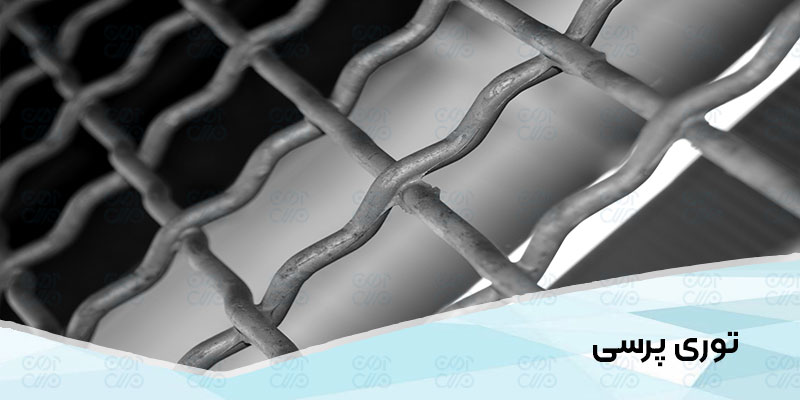
Investigating the main problem or need in the metal mesh industry
Pressed mesh is a key product in various industries including construction, mining, petrochemical, agriculture, defense industries, and civil engineering projects. However, producing this product in a non-standard or semi-manual manner poses numerous challenges.
The most important reasons for problems in this area include the following:
-
Strong dependence on operator and human skills
-
Inconsistency in spring dimensions and press pressure
-
Loss of quality in mass production
-
Increased waste and rework
-
Inability to respond to custom and project orders
In practice, many manufacturers are unable to expand capacity or maintain consistent quality despite market demand due to equipment limitations. This is a serious risk, especially in industrial contracts and large projects.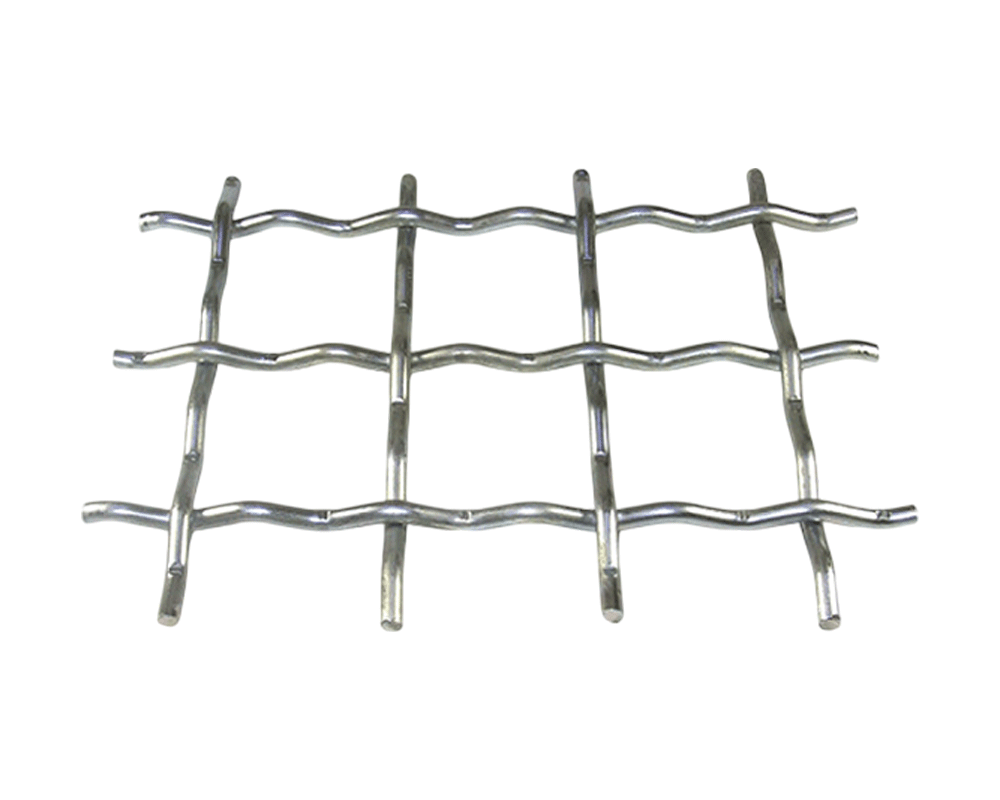
Traditional or non-industrial methods and their disadvantages
In traditional methods of producing press mesh, the process of forming and pressing wires is often done manually or with simple, non-automatic machines. Although these methods are applicable on a small scale, they face serious limitations in industrial production.
The most important disadvantages of these methods are:
-
Low production speed and inability to produce continuously
-
Quality fluctuation between each production run
-
Increased manpower costs and human error
-
High depreciation and lack of precise control over the process
-
Non-compliance with industrial project standards
In addition, hidden costs such as line downtime, rework, product returns, and customer dissatisfaction will have a significant negative impact on the manufacturer's brand in the long run.
Industrial and standard solution in the production of press lace
The principle solution to overcome these challenges is to use industrial machines designed based on automation, mechanical precision, and process control. In this approach, the production of lace press is transformed from an activity dependent on individual skill into a controllable and repeatable process.
Key criteria in selecting a suitable industrial solution include:
-
Ability to produce uniform, high-volume production
-
Consistent precision in pressing and forming
-
Ability to set parameters for different orders
-
Reducing dependence on human resources
-
Durability and stability of the device in continuous operation
The industrial lace press machine is designed with exactly this approach.
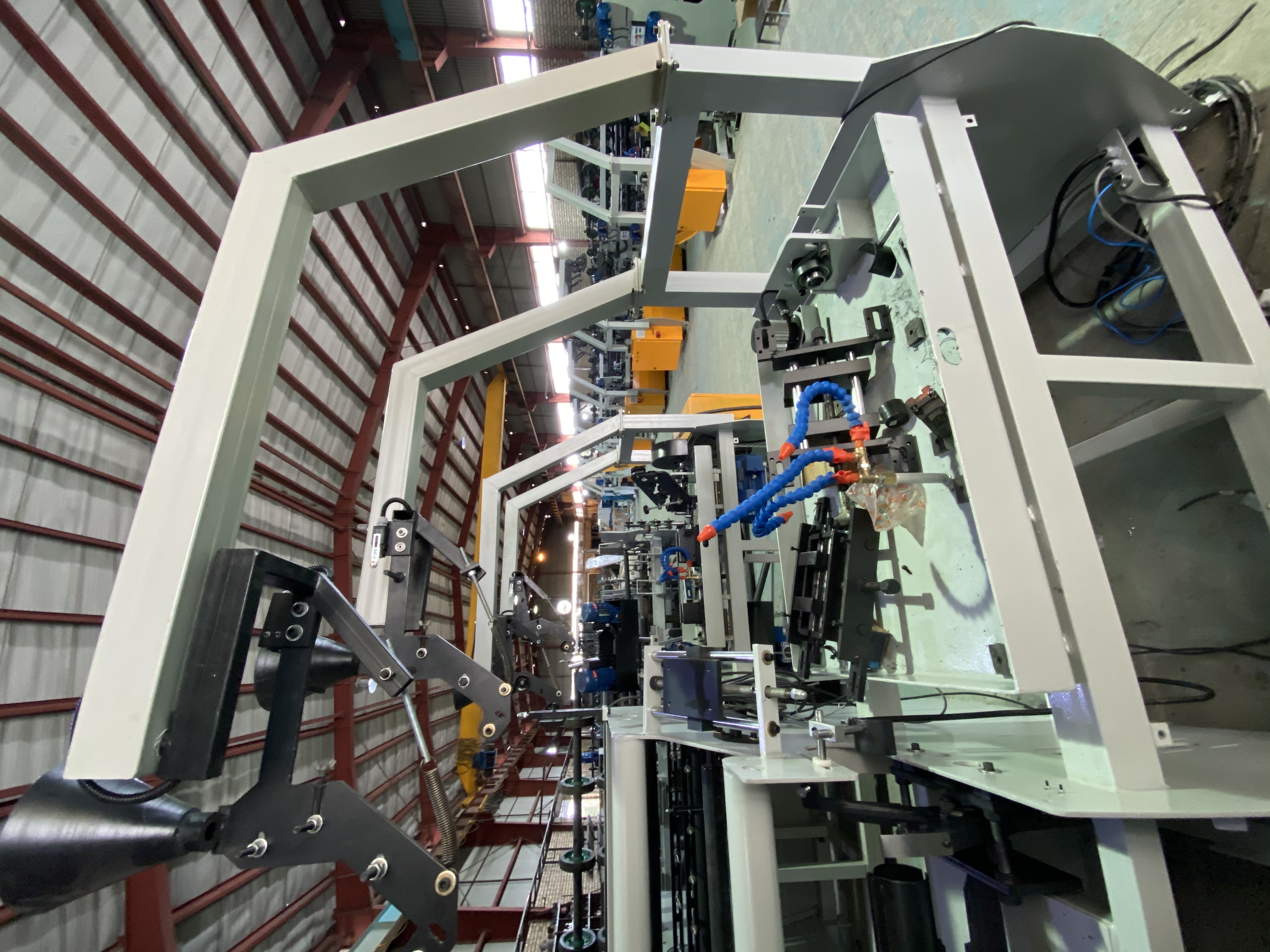
Introducing the Pars Baft Golestan lace pressing machine
Pars Baft Golestan Knowledge-Based Machinery Complex, relying on local technical knowledge and practical experience in the industry, has designed a fully automatic lace pressing machine in a way that meets the real needs of industrial manufacturers, not just a demonstration product.
This machine plays a key role in solving common production problems and enables the production of press lace with consistent quality, high speed, and minimal errors.
The real competitive advantages of this device include:
-
Full automation of the pressing and production process
-
High mechanical precision in spring shaping
-
Ability to work continuously in industrial shifts
-
Engineered design to reduce wear and tear
-
Domestic technical support and after-sales service
Unlike many imported or assembled devices, this product is designed taking into account the conditions of domestic workshops and factories.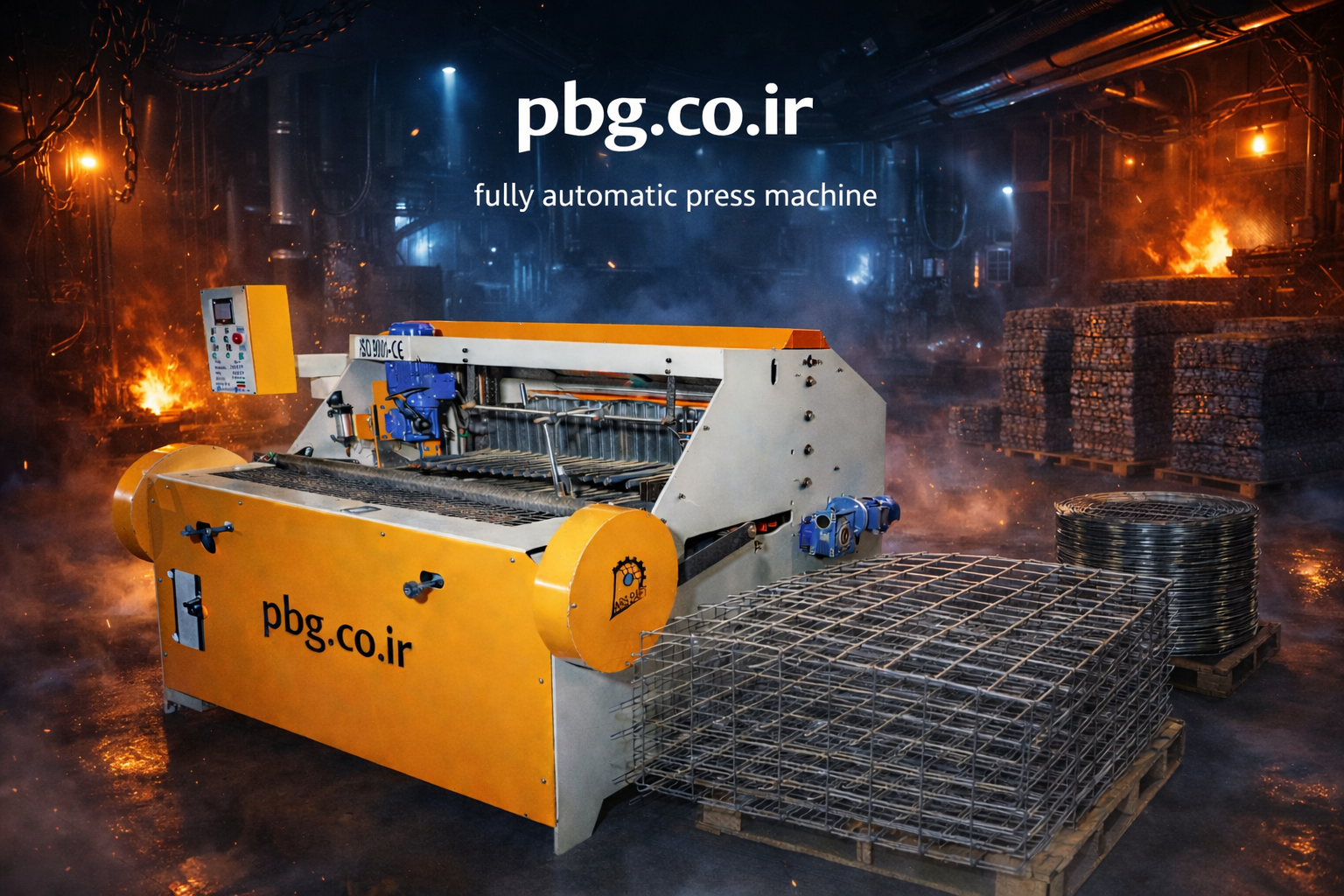
Important technical specifications and factors affecting the selection of a lace press machine
Choosing the right press machine requires careful consideration of technical specifications and their compatibility with production needs. Some of the most important parameters are:
Production capacity:
The machine must have the ability to produce continuously and in proportion to the volume of orders. High production capacity allows for the ability to respond to large projects and reduce delivery times.
Energy consumption:
Optimal design of the power transmission and press system plays a direct role in reducing energy consumption and operating costs.
Accuracy and output quality:
The uniformity of springs, the stability of the press pressure, and the final quality of the net are the determining factors in the acceptance of the product by the industrial market.
Customization:
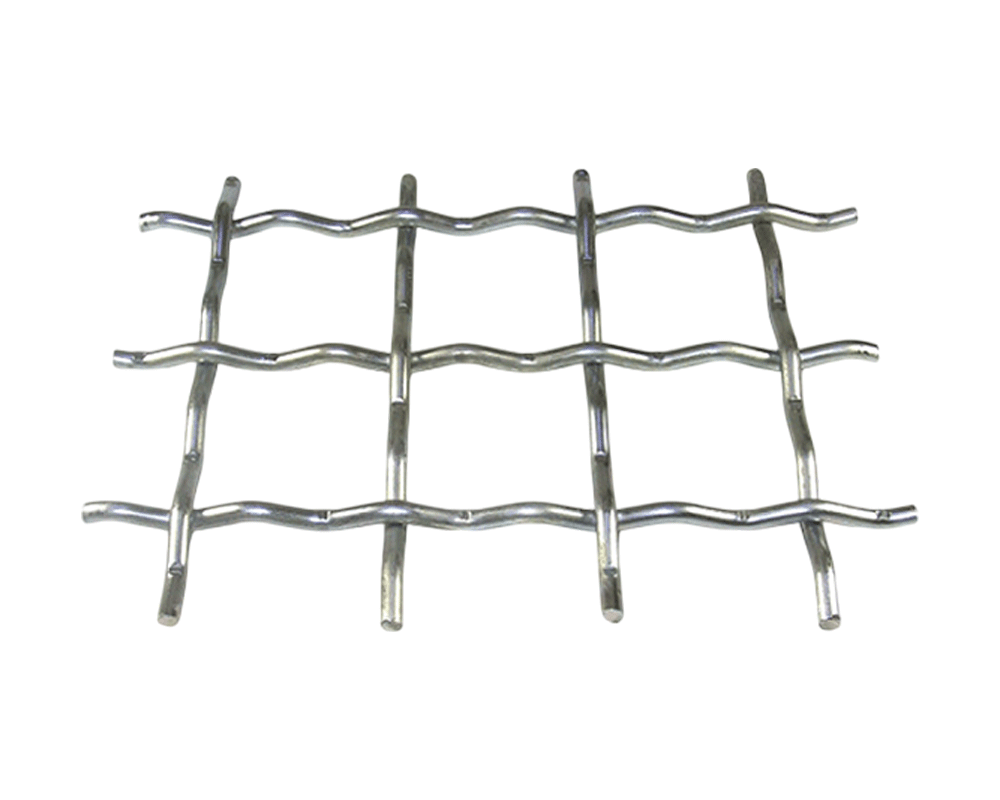
The ability to adjust spring dimensions, wire diameter, and press parameters is a key advantage for manufacturers working with diverse orders.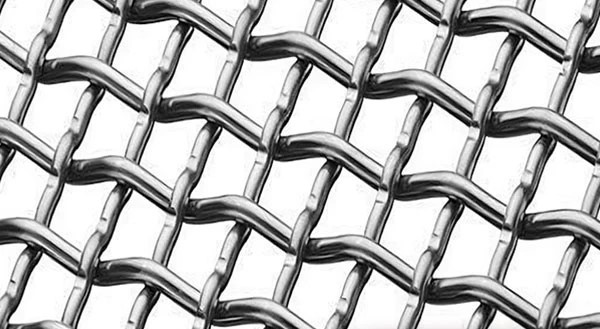
Important points before purchasing and setting up
Before investing in a lace press machine, it is essential to pay attention to some operational considerations:
Space requirements:
Machine dimensions, material circulation space, and access for maintenance should be checked in advance.
Human resources:
Although the machine is fully automatic, proper operator training plays an important role in optimal operation.
After-sales service:
Access to parts, technical support, and quick response are of great importance in industrial equipment and should be one of the main selection criteria.
Summary and conclusion
A press machine, when selected industrially and engineered, can be a turning point in increasing productivity, reducing costs, and improving production quality. In a situation where the market is moving towards standardization and precise orders, using non-industrial equipment is practically risky.
The lace pressing machine produced by Pars Baft Golestan Complex, focusing on the real needs of the industry, is a reliable option for workshops and factories that seek sustainable development and professional production.
For more details, it is recommended to read the relevant product page on the official website of the company and evaluate the technical specifications according to the needs of your production line. This review is a logical step before any industrial investment decision.
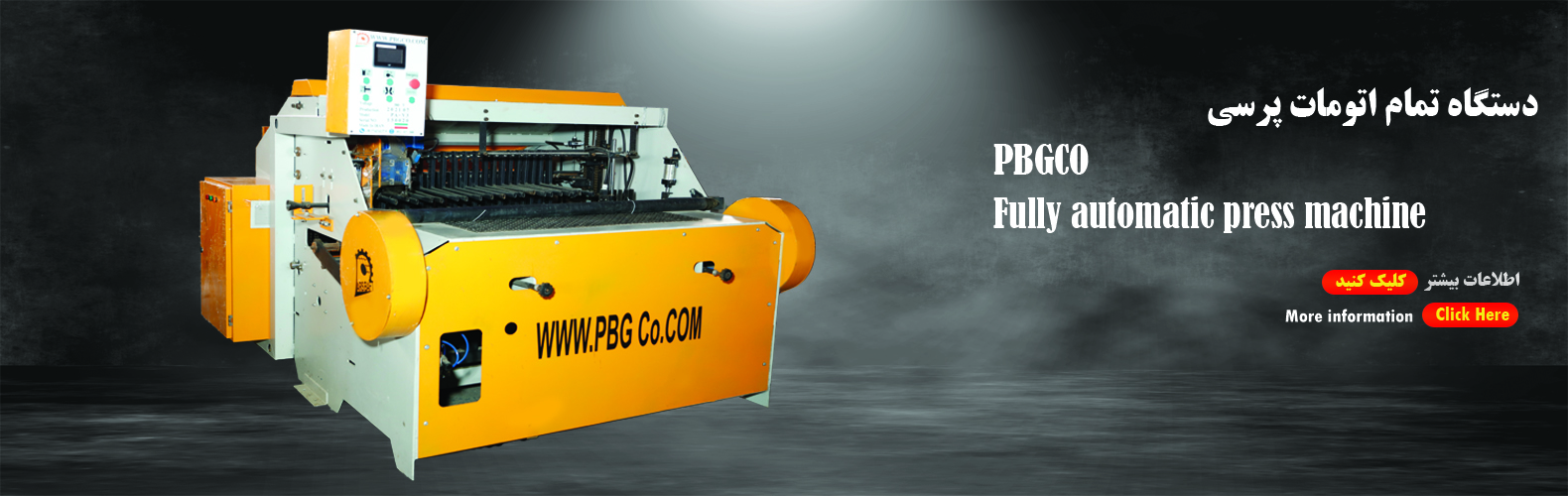
The wire industry is one of the most attractive and profitable industrial sectors in the country today.
If you are planning to launch a production line
or are looking to upgrade your production capacity,
choosing the right machine is the most important step.
Pars Baft Golestan, the most complete manufacturer of wire industry machines in Iran
with patented equipment
and permanent support,
It is by your side.
📞 Call for consultation and price inquiry
Golestan Province, Aqqala Industrial Park, End of Industry 1
📞 Direct contact number:
⭐ Setting up a production line from zero to one hundred