Types of wire drawing machines
Complete familiarity with the types of wire drawing machines, examining the difference between direct and overhead drawing, applications, technical specifications, and important points for purchasing standard wire production equipment in the metal industry. Introducing Pars Baft Golestan industrial solutions.
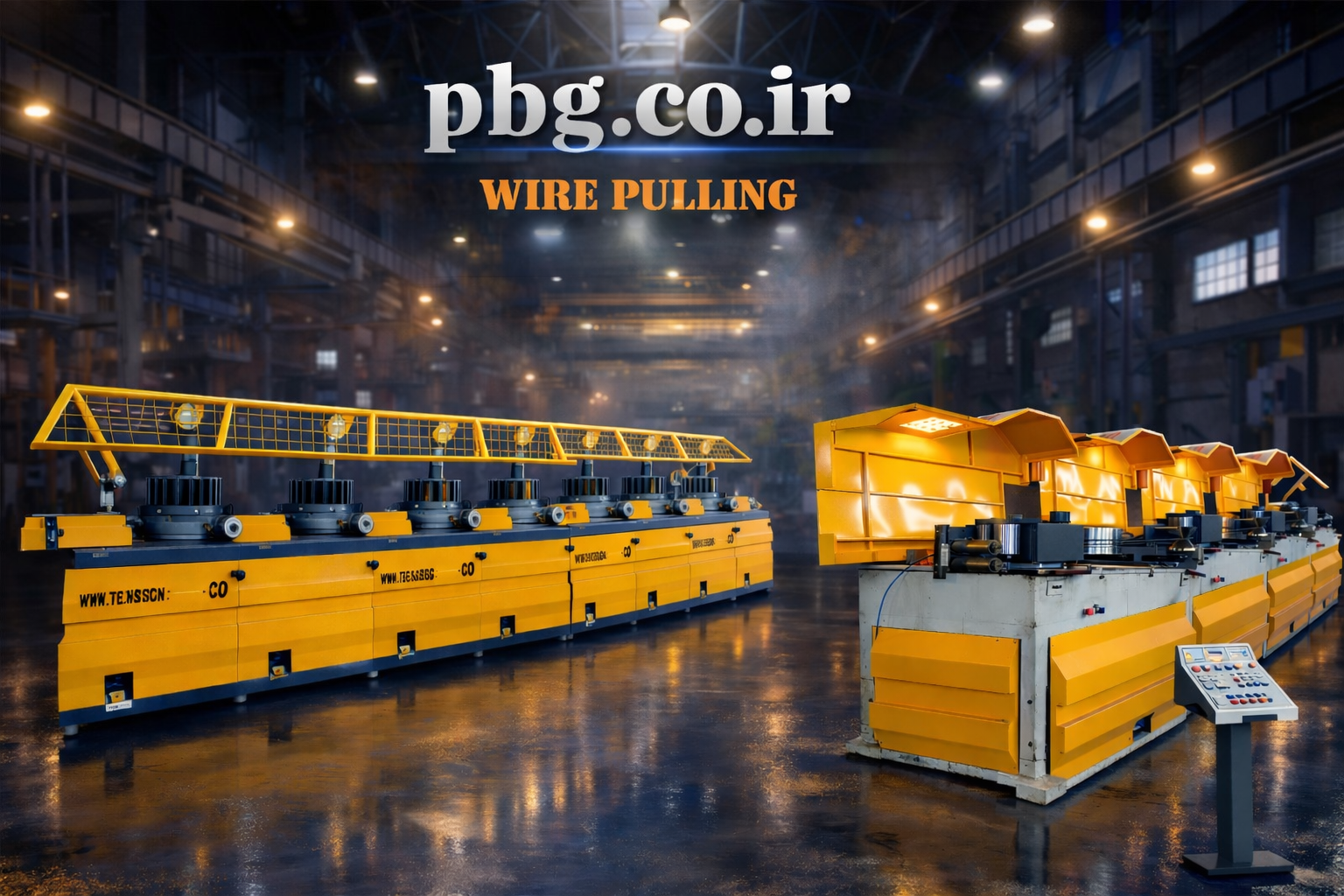
Types of wire drawing machines | Sustainable industrial solution for quality control and increased production efficiency
Introduction
In many manufacturing units active in the field of wire products, one of the constant challenges is the non-uniformity of wire diameter, instability of output quality and excessive dependence on human skills. These problems not only cause a decrease in the quality of the final product, but also increase the hidden costs of production, line stoppage and rework.
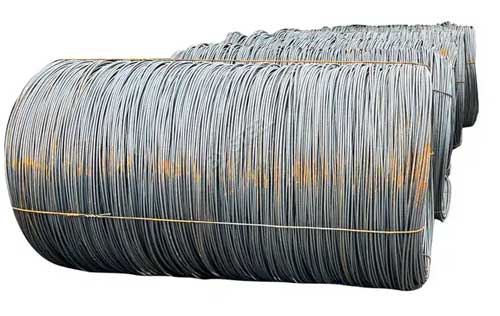
Wire drawing, as a basic and vital process in the metal industry, if not carried out in a principled and industrial manner, can disrupt the entire production chain. Choosing the right drawing method and using standard equipment is the main solution to this problem in today's industry.
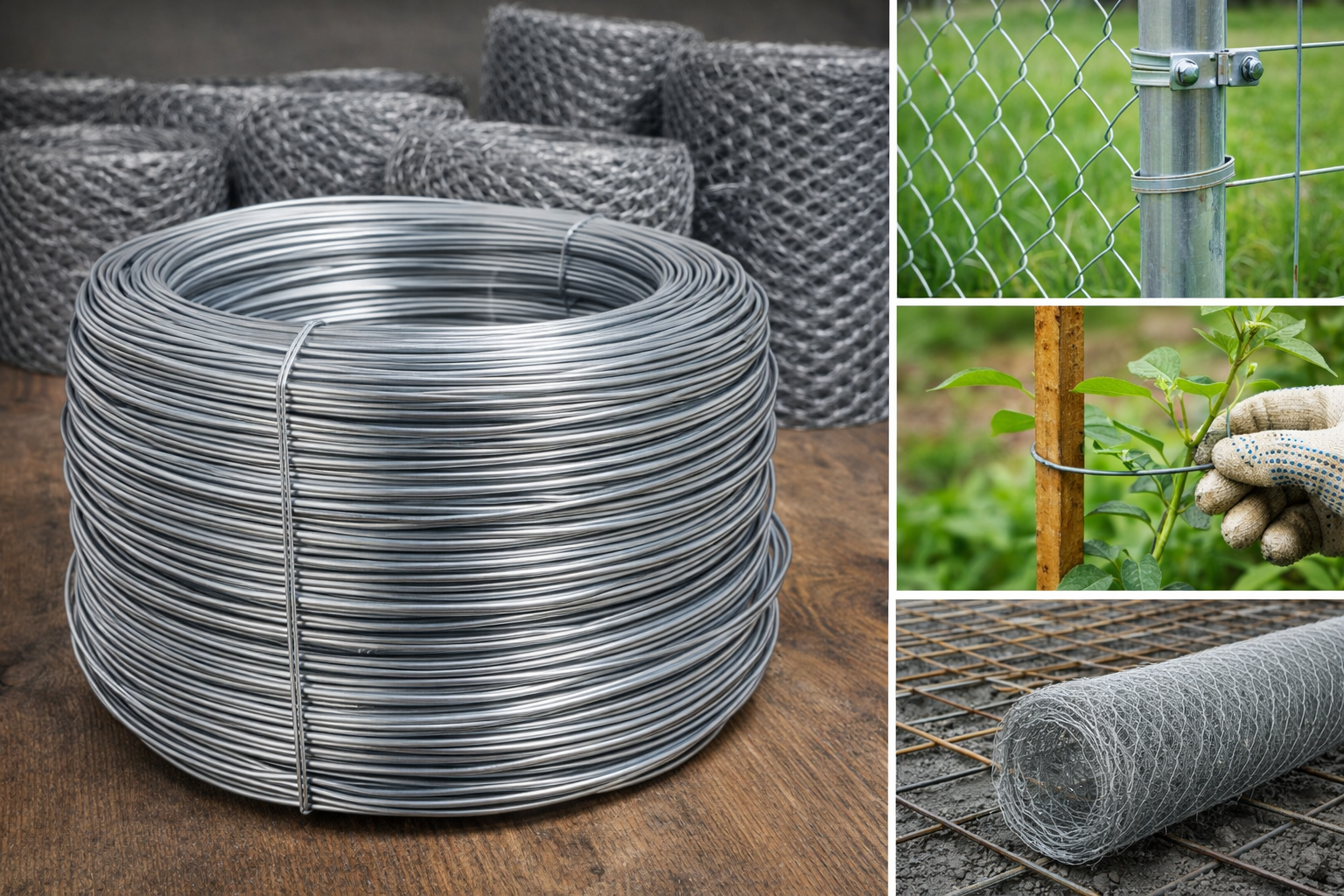
Investigating the main problem or need in the wire industry
The wire drawing process is responsible for reducing the diameter of the wire and increasing its mechanical properties. In practice, manufacturers face problems such as:
-
Fluctuation of wire diameter during production
-
Increased waste due to tearing or improper tension
-
Slowing down production for quality control
-
Output quality not meeting downstream standards such as welded mesh, netting, barbed wire or electrodes
These challenges are usually rooted in the wrong choice of stretching method or the use of non-standard devices. As the market moves towards precision, repeatability, and sustainable production, non-industrial methods are no longer the answer.
Traditional or non-industrial methods and their disadvantages
Some workshops still use primitive or semi-manual systems for wire drawing. Although these methods may seem inexpensive on the surface, they cause serious damage to production in the long run:
-
Strong dependence on operator and individual skill
-
Lack of precise control of speed and traction
-
Higher energy consumption compared to useful output
-
Increased depreciation of molds and parts
-
Reduced uniformity and surface quality of the wire
In these circumstances, the hidden costs resulting from line downtime, waste, and end-customer dissatisfaction will be several times the cost of investing in industrial equipment.
Industrial and standard wire drawing solution
The principle solution is to use industrial wire drawing machines that perform the process in a controlled, stable, and repeatable manner. In today's industry, wire drawing is generally performed in two standard ways:
-
Direct Wire Drawing
-
Overhead Wire Drawing
The choice between these two methods depends on the type of product, workshop space, production capacity and downstream process. The right machine should be able to guarantee the following:
-
Precise control of diameter and tension
-
Production stability in long shifts
-
Compatibility with subsequent production lines
- Minimum downtime and maximum productivity
Introducing Pars Baft Golestan wire drawing machines
Pars Baft Golestan Knowledge-Based Machinery Complex, with precise understanding of the needs of the country's wire industry, has designed and produced both types of direct wire drawing machines and overhead wire drawing machines in an industrial, customizable manner, and in accordance with the actual conditions of the workshops.
These machines not only standardize the drawing process, but also play a key role in stabilizing the quality of the final product and reducing production costs. The main focus in the design was on true automation, mechanical durability and ease of operation.
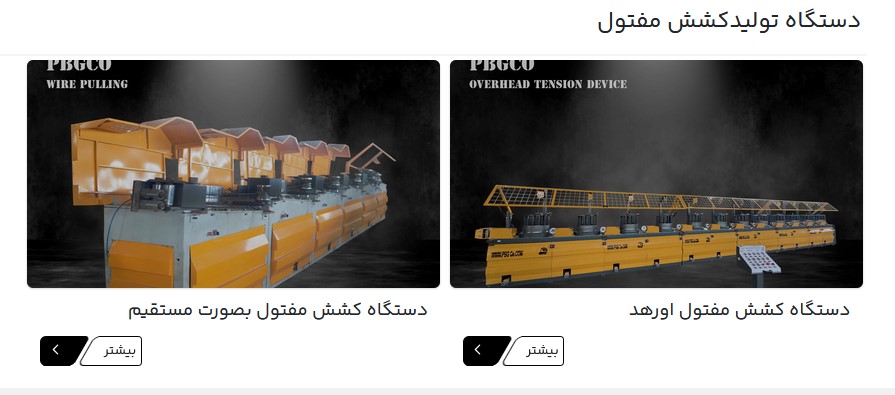
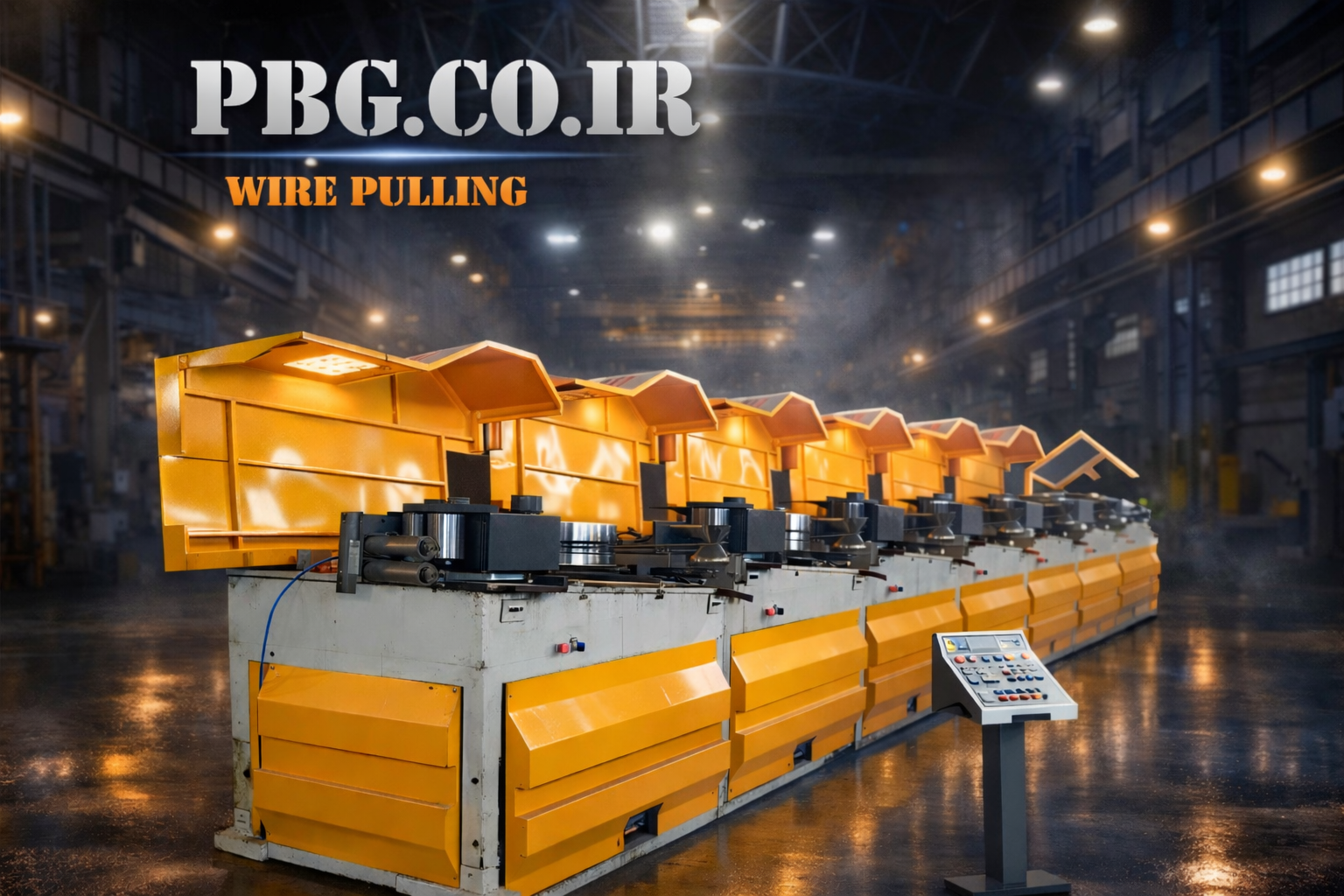
Introduction to Direct Drawing Wire Drawing Machine
In a straight wire drawing machine, the wire path is designed to be horizontal and linear. This type of machine is typically used in lines that require easy access, operator control, and quick adaptation to side processes.
The functional features of this device include:
-
Smooth control of pulling speed
-
Suitable for a wide range of inlet diameters
-
Easy connection to mesh, netting and fence production lines
-
Simple maintenance and quick access to parts
Pars Baft direct stretching machine is designed for workshops and factories that seek stable quality and high flexibility in production.
Introduction of Overhead Wire Drawing Machine
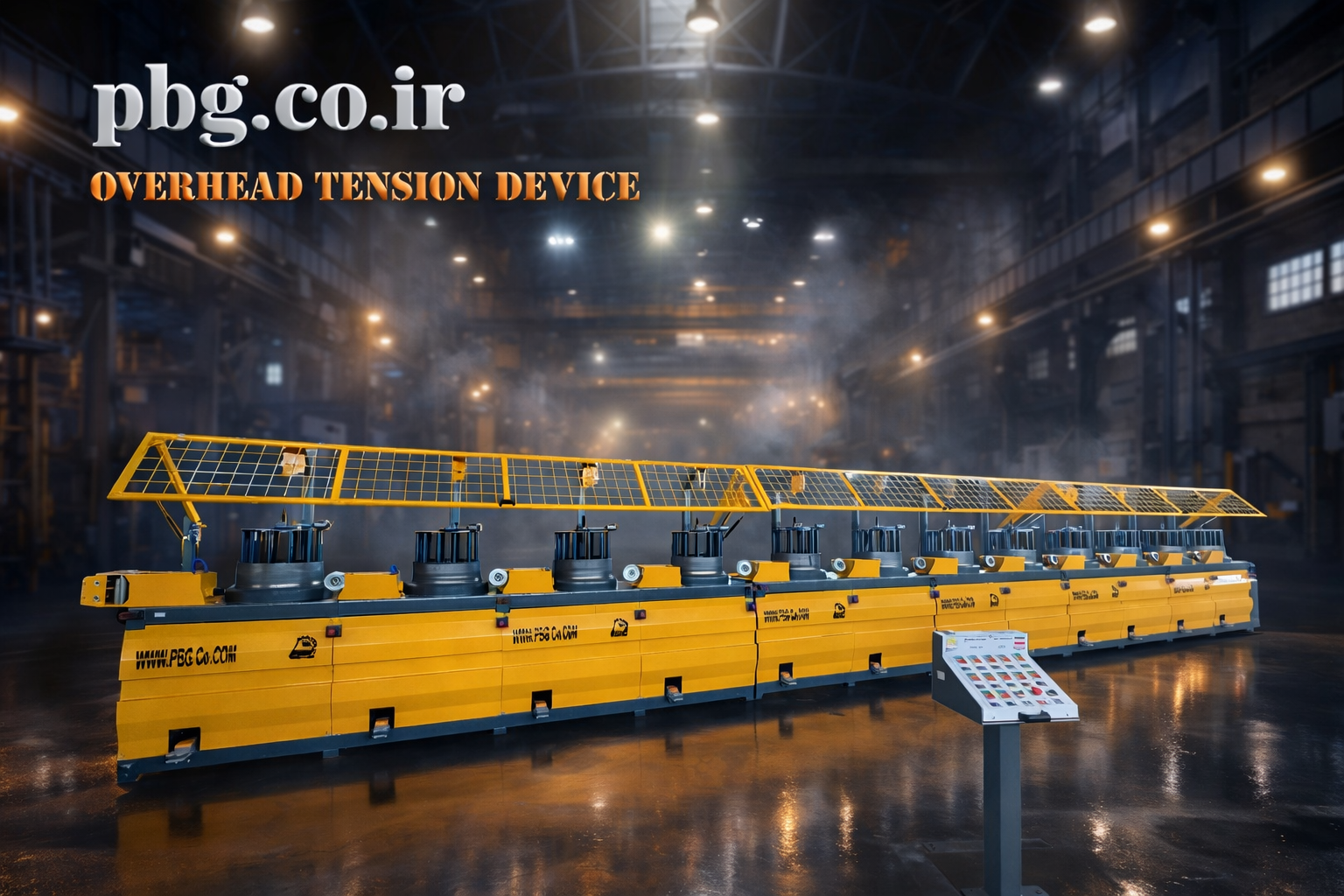
In the overhead method, the drawing process is carried out vertically or semi-vertically. This structure reduces the useful space occupied by the workshop and improves control of the wire path.
The main advantages of this type of device include:
-
Optimal use of the hall's vertical space
-
Reducing unwanted tensions in the wire path
-
Increased stability at higher speeds
-
Suitable for continuous production lines and high circulation
Pars Baft overhead wire drawing machine is an ideal choice for units that face space limitations or the need for continuous and industrial production.
Important technical specifications and factors affecting device selection
The selection of a wire drawing machine should not be based solely on price. The following technical factors play a decisive role in the final efficiency:
-
Production capacity in line with the work schedule
-
Optimized and controlled energy consumption
-
Accuracy in diameter uniformity and surface quality
-
Quality of molds and power transmission system
-
Possibility of customization based on wire type and subsequent process
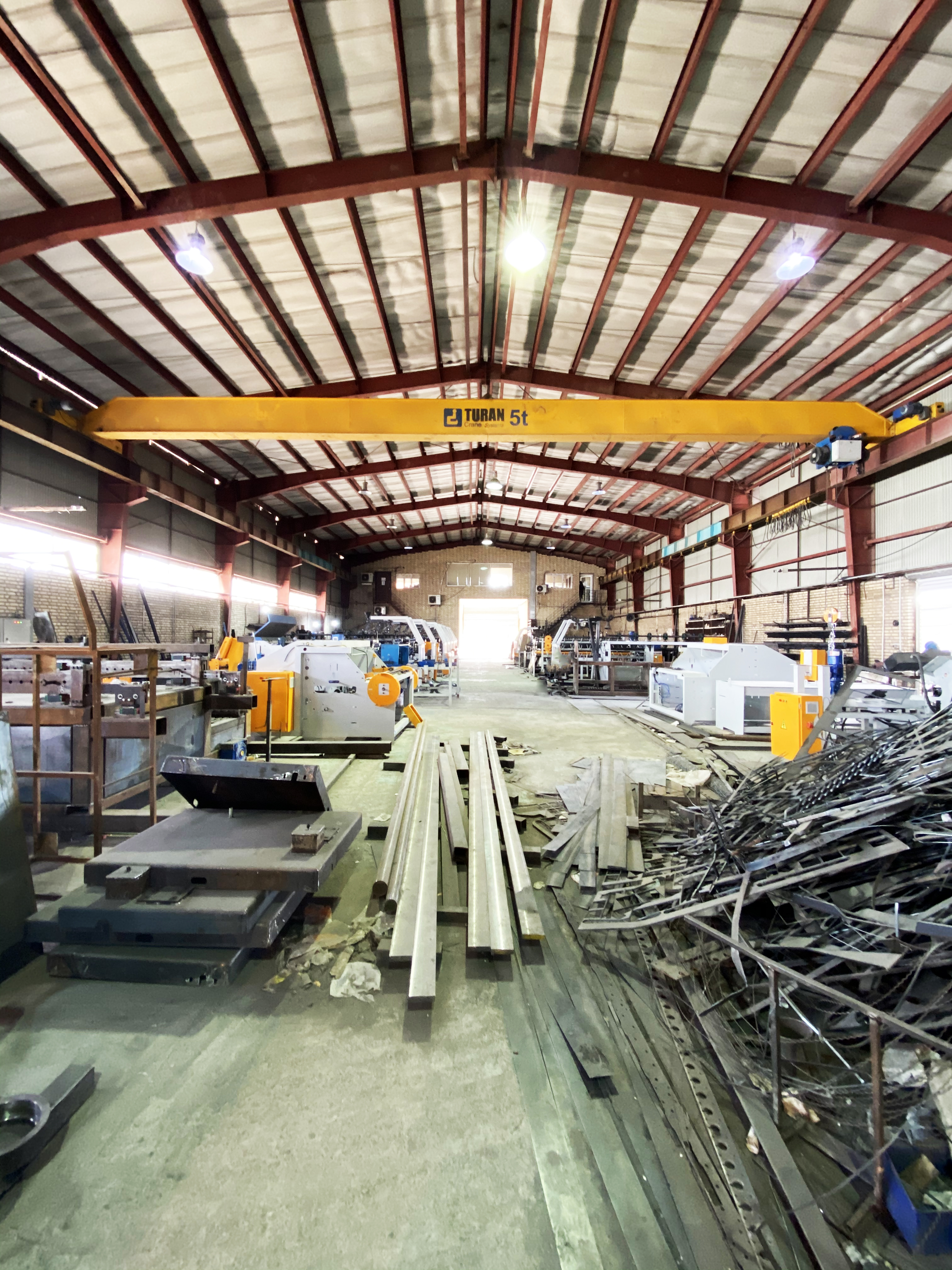
Pars Baft Golestan machines are designed according to these parameters and can be precisely adjusted to suit the needs of each production line.
Important points before purchasing and setting up
Before making a final selection of a wire drawing machine, it is essential to consider a few key points:
-
Checking the actual installation space and the wire movement path
-
Number of operators required and their skill level
-
Access to after-sales service and spare parts
-
Device coordination with downstream equipment
Pars Baft Golestan minimizes the risk of making the wrong choice by providing technical advice before purchasing.
Summary and conclusion
Wire drawing is the backbone of many metal industries, and any weakness at this stage directly affects quality and profitability. The choice between a direct or overhead drawing machine should be based on a real analysis of production needs, not just market custom.
Pars Baft Golestan Knowledge-Based Machinery Complex has provided manufacturers with the opportunity to make an informed and industrial choice by offering both types of wire drawing machines.
To review the technical details, complete specifications, and match the machine to your production line, it is recommended to check the related product page on Pars Baft Golestan's website and make a decision with an engineering perspective.
The wire industry is one of the most attractive and profitable industrial sectors in the country today.
If you are planning to launch a production line
or are looking to upgrade your production capacity,
choosing the right machine is the most important step.
Pars Baft Golestan, the most complete manufacturer of wire industry machines in Iran
with patented equipment
and permanent support,
It is by your side.
📞 Call for consultation and price inquiry
Golestan Province, Aqqala Industrial Park, End of Industry 1
📞 Direct contact number:
⭐ Setting up a production line from zero to one hundred